
Our Imaging Services
MRI
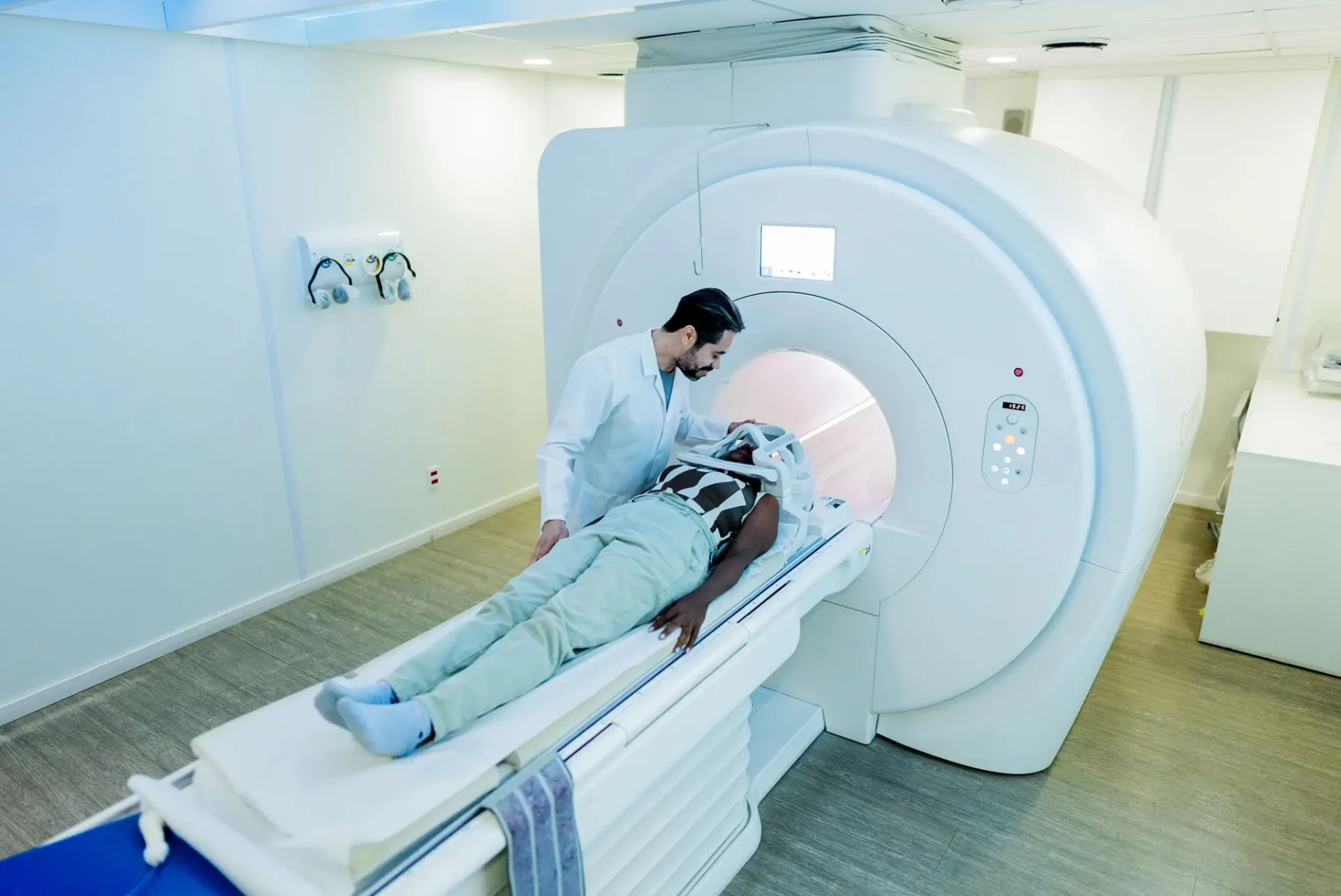
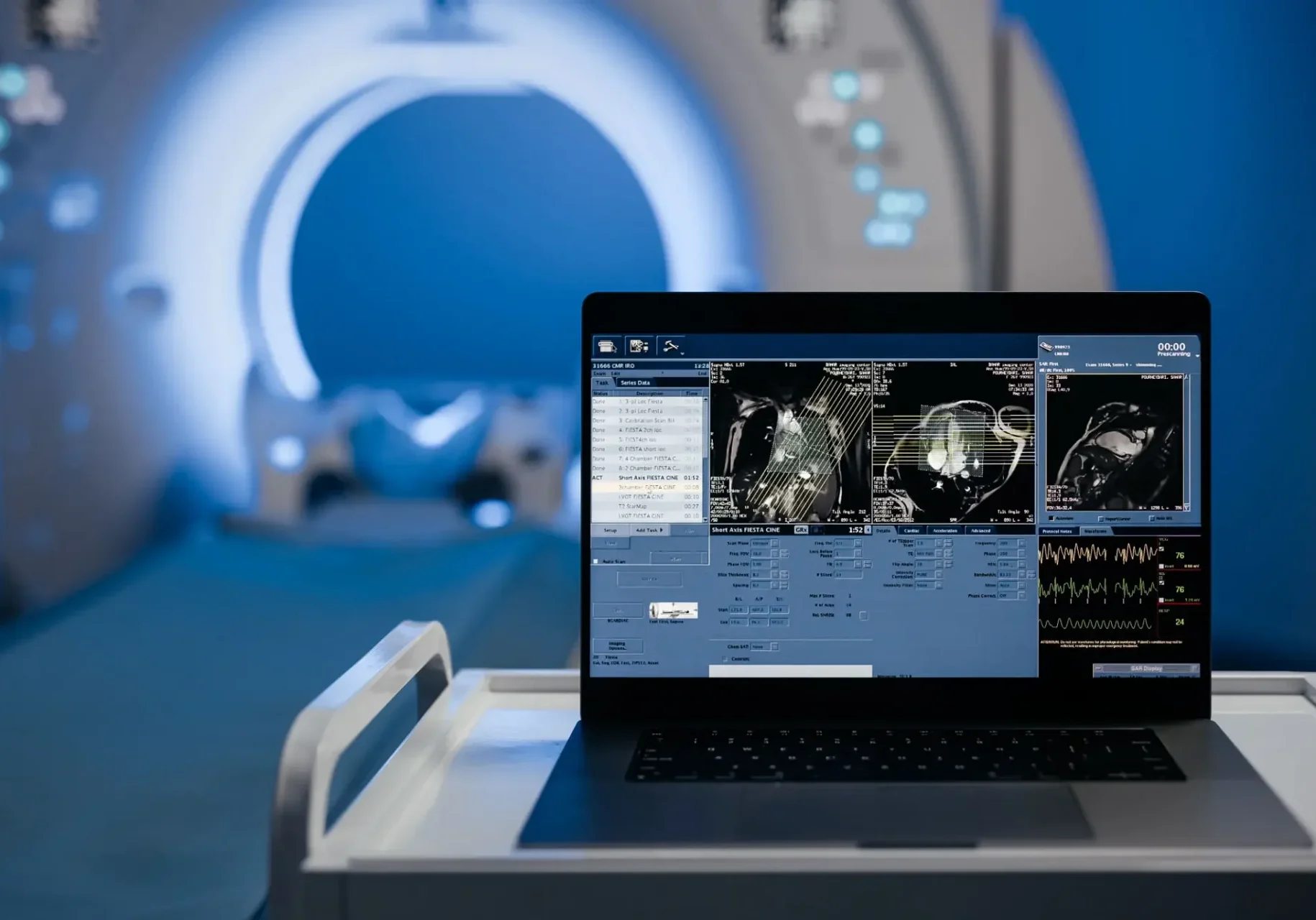
MRI stands for Magnetic Resonance Imaging. It uses a strong magnetic field and radio waves to create detailed images of the inside of the body. MRI does not use X-ray radiation.
MRI is often used to look at soft tissues, joints, the brain, spine, muscles, and other areas where detailed images are needed.
Dayton General Hospital uses a GE 1.5 Tesla MRI scanner. A 1.5 Tesla MRI is a widely used MRI strength that allows our team to perform many common MRI exams close to home.
MRI is available on an outpatient basis three days a week. Our MRI technologist has more than 20 years of MRI experience and more than 30 years of general radiology experience.
We perform a wide range of MRI studies. We do not currently perform breast MRI, some specialized abdominal MRI studies, or MRI arthrograms.
Some insurance plans require prior authorization before an MRI can be scheduled. After authorization is verified, our scheduling team will call you to set up your appointment. Some exams may be available the same day we receive the order.
MRI uses a strong magnet, so some implanted medical devices may not be safe for MRI. Please tell our staff when scheduling if you have a pacemaker, stimulator, implant, surgical clips, or any other implanted medical device.
CT Scan
CT stands for Computed Tomography. A CT scan uses X-rays and computer processing to create detailed cross-sectional images of the body. CT scans are often used to look at the head, chest, abdomen, pelvis, bones, blood vessels, and injuries.
Dayton General Hospital uses a GE Optima 660 128-slice CT scanner. This scanner captures many image slices in a short amount of time, which can help make many CT exams faster for patients.
The scanner includes Metal Artifact Reduction technology. This helps reduce image distortion that can happen when a patient has metal implants or hardware.
The CT system also includes 3D image processing, which allows images to be reconstructed in three dimensions when helpful for review and treatment planning.
Our CT scanner is accredited by the American College of Radiology. We also offer low-dose lung cancer screening CT scans, which may be available at little or no cost depending on eligibility and insurance coverage.
Our CT technologists are certified through the American Registry of Radiologic Technologists and the Washington State Department of Health. Together, they bring more than 40 years of combined experience to patient care.
X-Ray
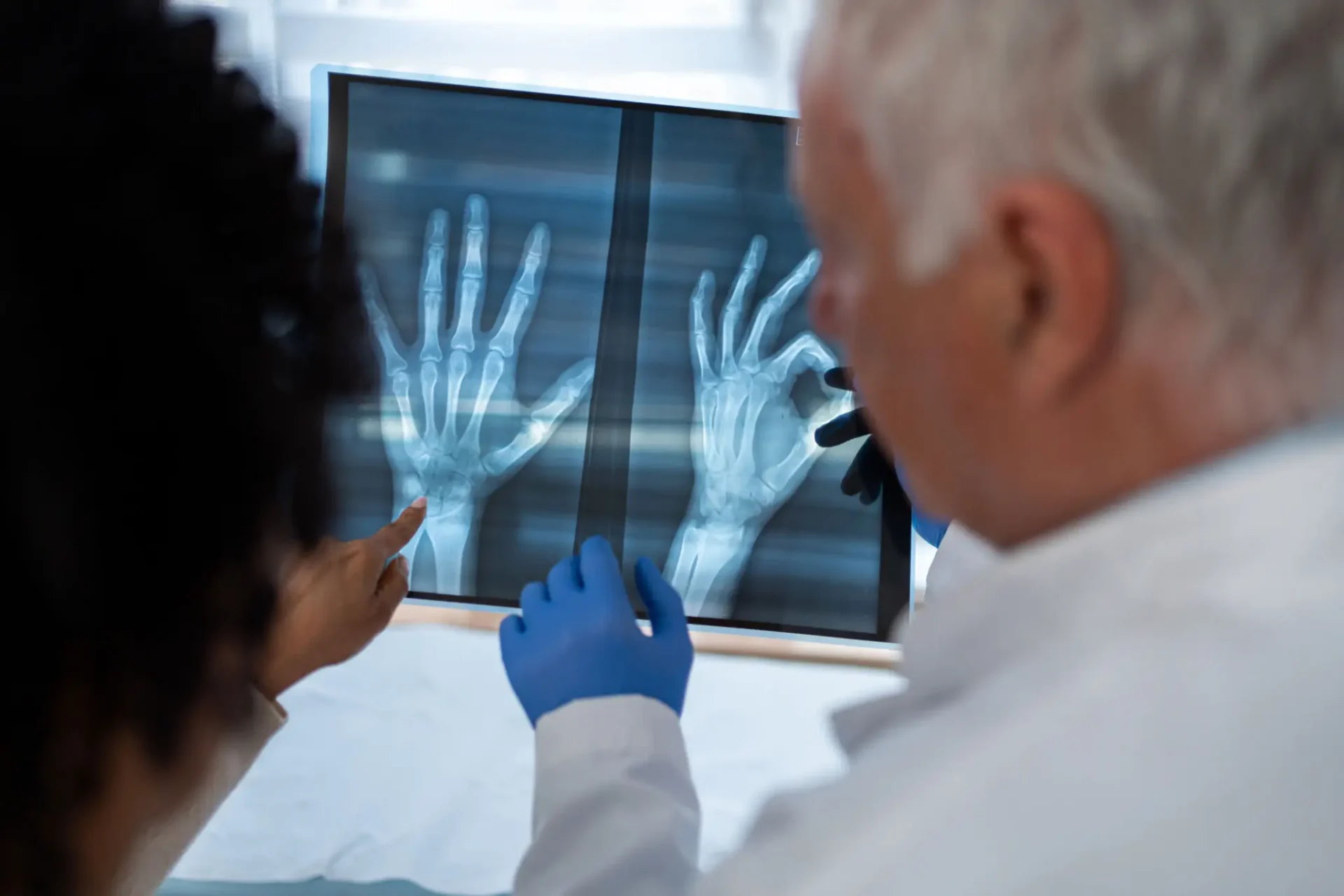
X-ray imaging is one of the most common types of diagnostic imaging. It uses a small amount of radiation to create images of bones, the chest, abdomen, and other areas of the body.
X-rays are often used to check for fractures, injuries, lung concerns, joint pain, and other medical conditions.
Dayton General Hospital uses a GE Proteus Digital X-Ray system. Digital X-ray allows images to be captured and processed quickly, with images available in less than five seconds.
X-ray exams are available in a stationary imaging room. We also have portable X-ray equipment that can be brought to patients when needed.
Ultrasound
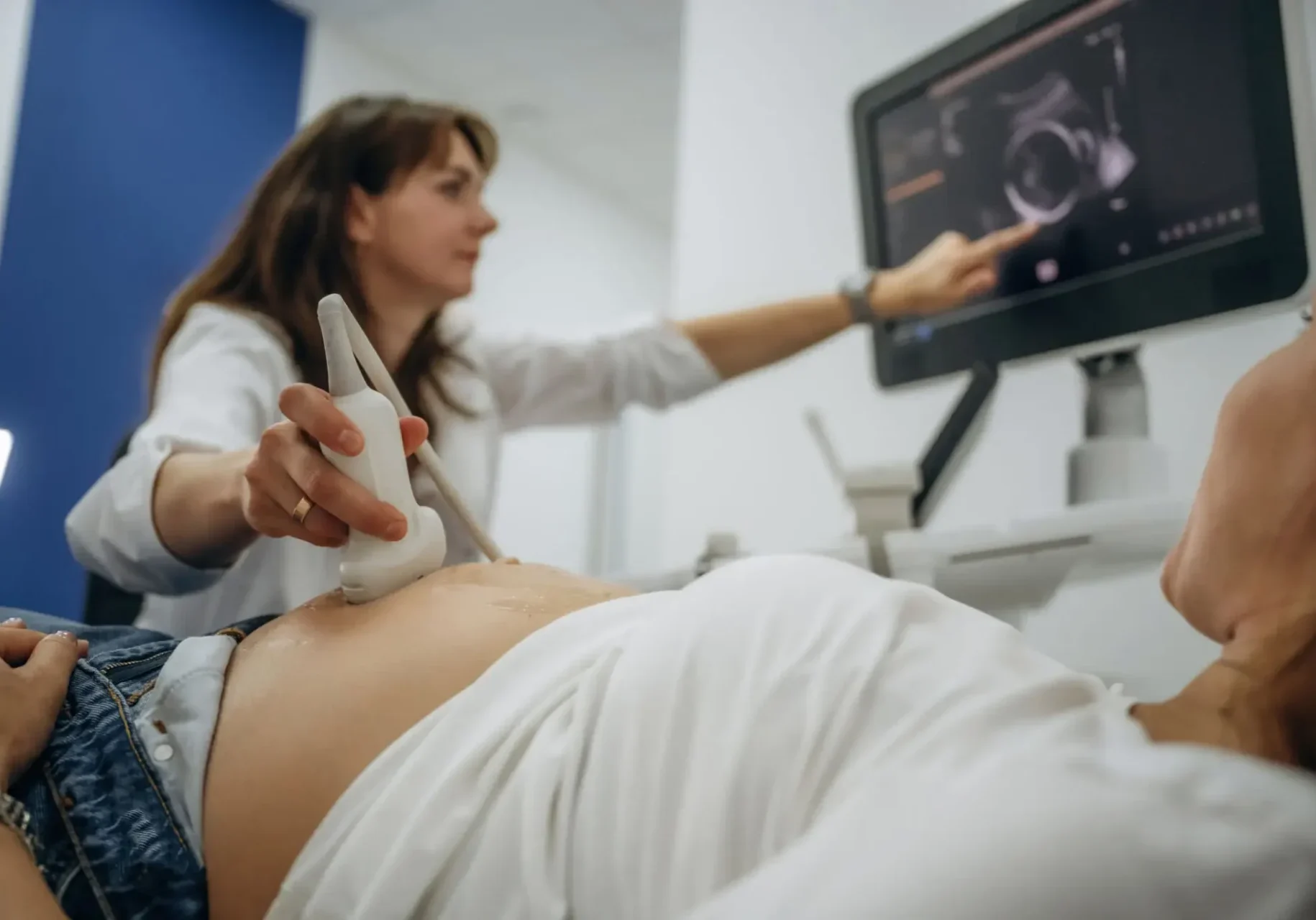
Ultrasound uses sound waves to create real-time images of the inside of the body. It does not use radiation.
Ultrasound is often used to look at organs, soft tissues, blood flow, muscles, tendons, and pregnancy-related concerns when ordered by a provider.
Ultrasound exams are usually non-invasive and painless. Some exams may require special preparation, such as fasting or arriving with a full bladder. Our team will give you instructions before your appointment if preparation is needed.
Echocardiogram
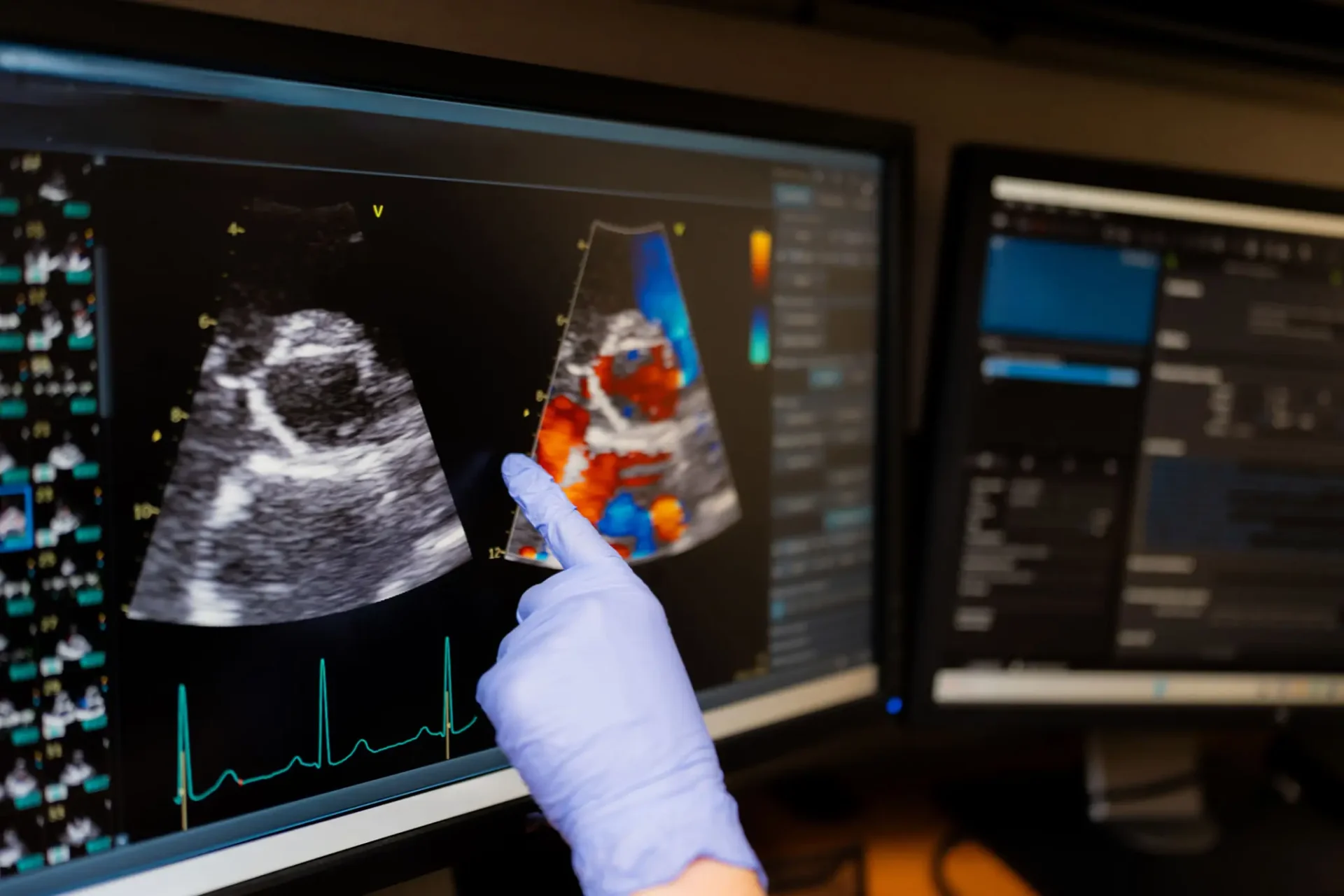
An echocardiogram is an ultrasound exam of the heart. It uses sound waves to create moving images of your heart.
This test can help your provider see how well your heart is pumping, how your heart valves are working, and whether there are concerns with blood flow or heart structure.
An echocardiogram is non-invasive and does not use radiation. Most exams are completed without an overnight stay or major disruption to your day.
Imaging Results
Imaging exams are interpreted by radiologists from Inland Imaging. Results are sent to your ordering provider.
MRI results are usually available to your ordering provider within 24 hours. Other imaging result times may vary depending on the exam and clinical need.
Please contact your ordering provider for your results and next steps.
Before Your Appointment
Please bring your insurance information and any instructions from your provider.
For MRI exams, tell our staff if you have any implanted medical devices, metal fragments, surgical clips, or other medical hardware.
Some imaging exams require special preparation. If preparation is needed, our team will give you instructions before your appointment.
Frequently Asked Questions
Dayton General Hospital offers MRI, CT scans, digital X-ray, ultrasound, and echocardiogram services through Columbia County Health System.
Diagnostic imaging services are available at Dayton General Hospital in Dayton, Washington.
Imaging exams are interpreted by radiologists from Inland Imaging. Results are sent to your ordering provider.
MRI results are usually available to your ordering provider within 24 hours.
Some insurance plans require prior authorization before an MRI can be scheduled. After authorization is verified, our scheduling team will contact you to schedule the exam.
No. MRI uses a strong magnetic field and radio waves. It does not use X-ray radiation.
No. Ultrasound uses sound waves to create images. It does not use radiation.
A CT scan creates detailed cross-sectional images of the body. It may be used to evaluate injuries, the head, chest, abdomen, pelvis, bones, blood vessels, and other medical concerns.
An echocardiogram is an ultrasound exam of the heart. It helps providers look at heart movement, heart valves, blood flow, and how well the heart is pumping.
Call the Radiology Department at (509) 382-3204 with questions about your imaging appointment.